SAMƎ SEA is a non-profit data visualization project that maps the invisible overlap between whale migration corridors and global shipping routes.
The mirrored flip transforms the character into Ǝ, standing for "Event"—the ship collision incident. A flipped letter, hinting at an outcome that could itself have been flipped.
SAMƎ SEA 是一个非营利的数据可视化项目,把鲸类迁徙走廊与全球航运航线之间长期被忽视的那片重叠,呈现出来。
字母被镜像翻转成 Ǝ,它就是 "Event"——一次船撞事件。一个被翻转的字母,提示着一个本可被翻转的结局。
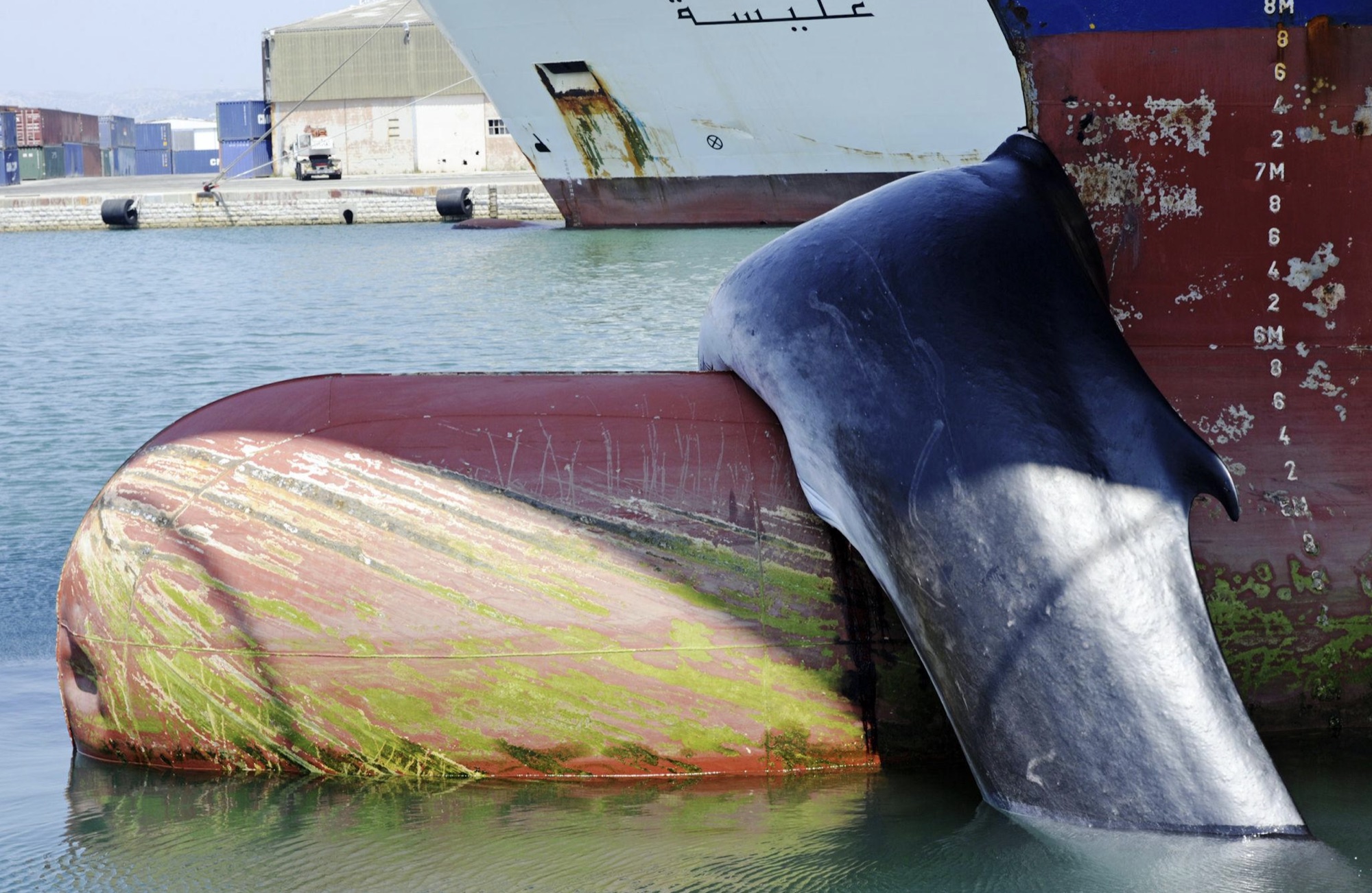
whales die from vessel strikes every year. 头鲸,每年死于船舶撞击。
International Marine Mammal Project, 2026 数据来源:International Marine Mammal Project, 2026
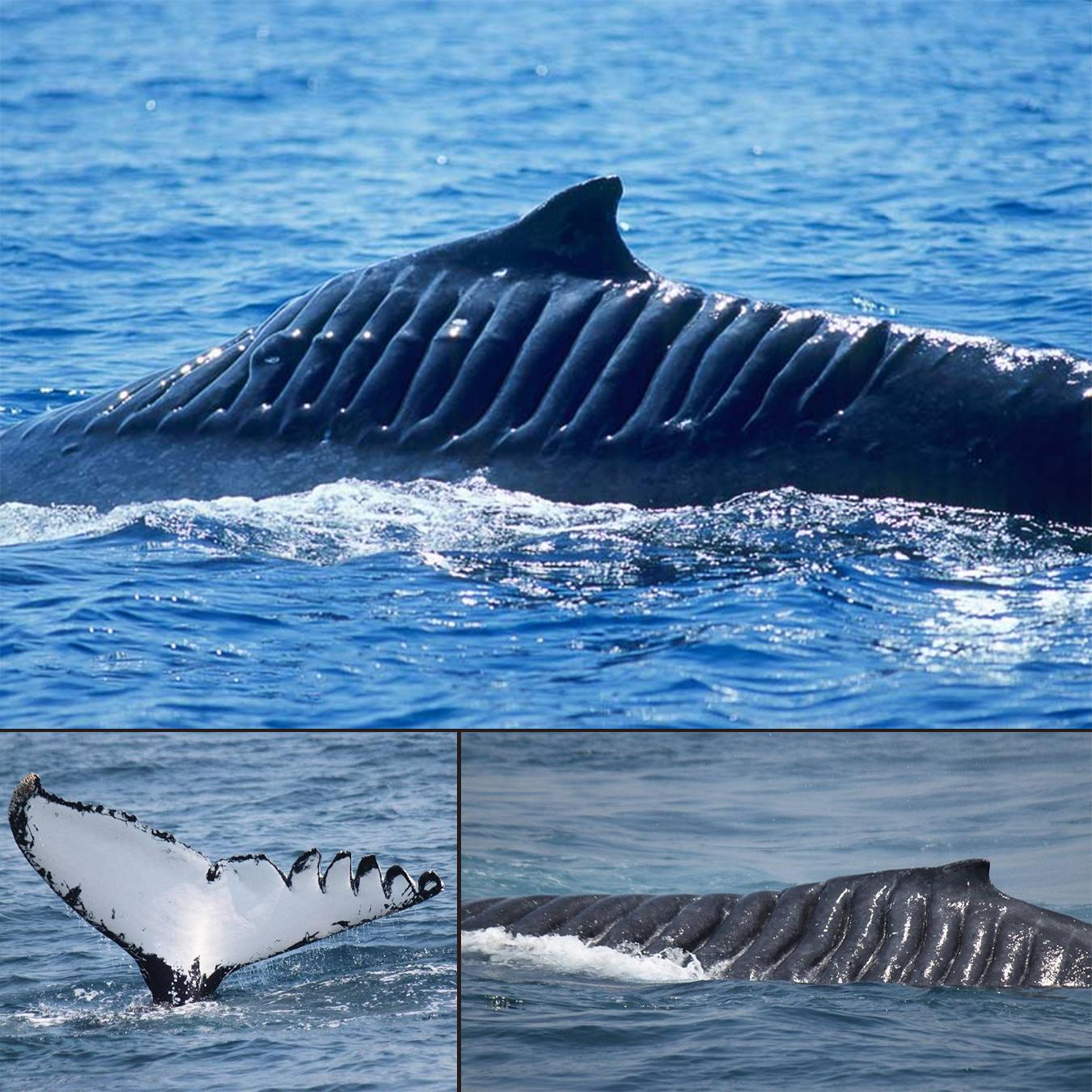
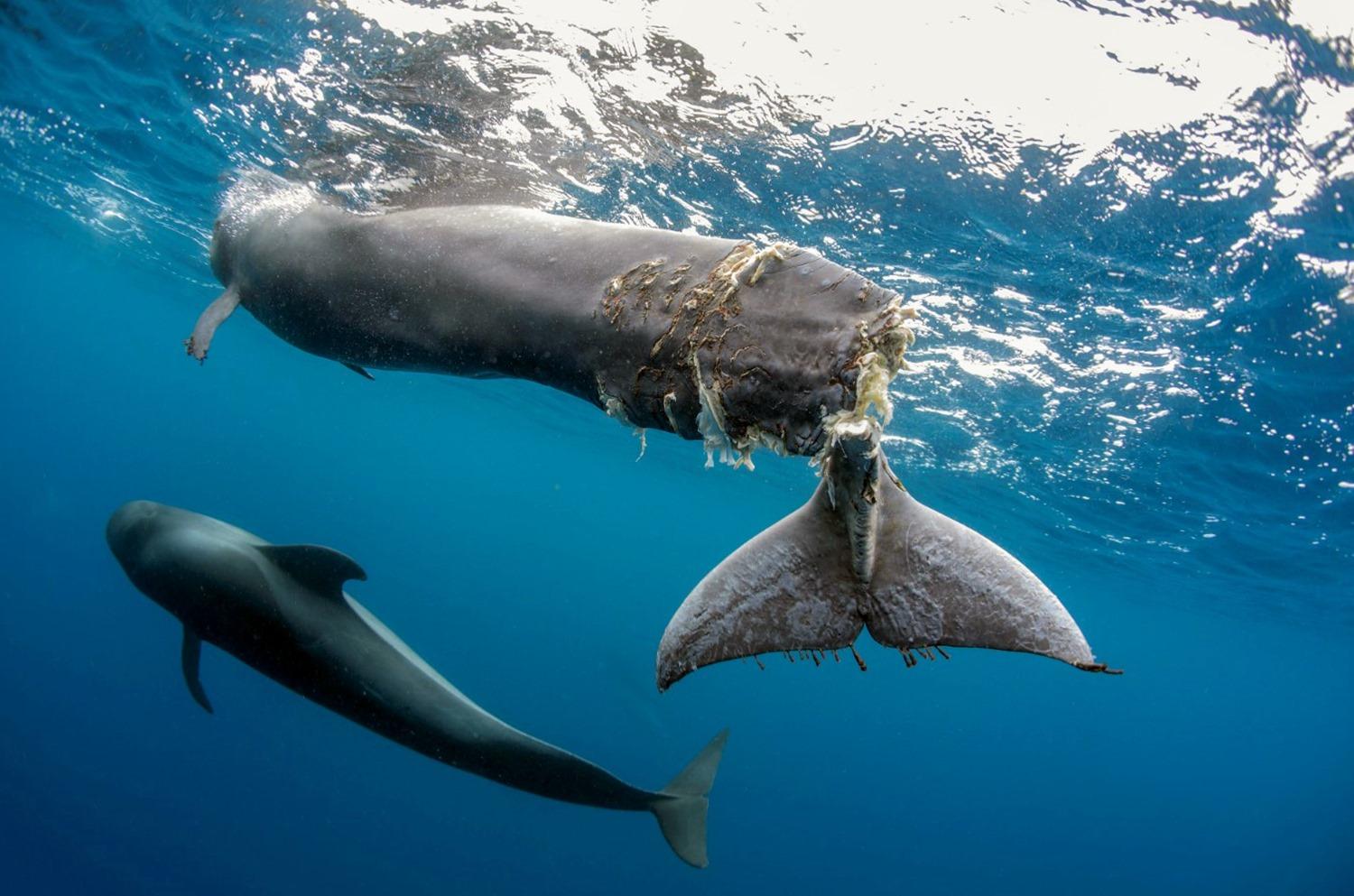
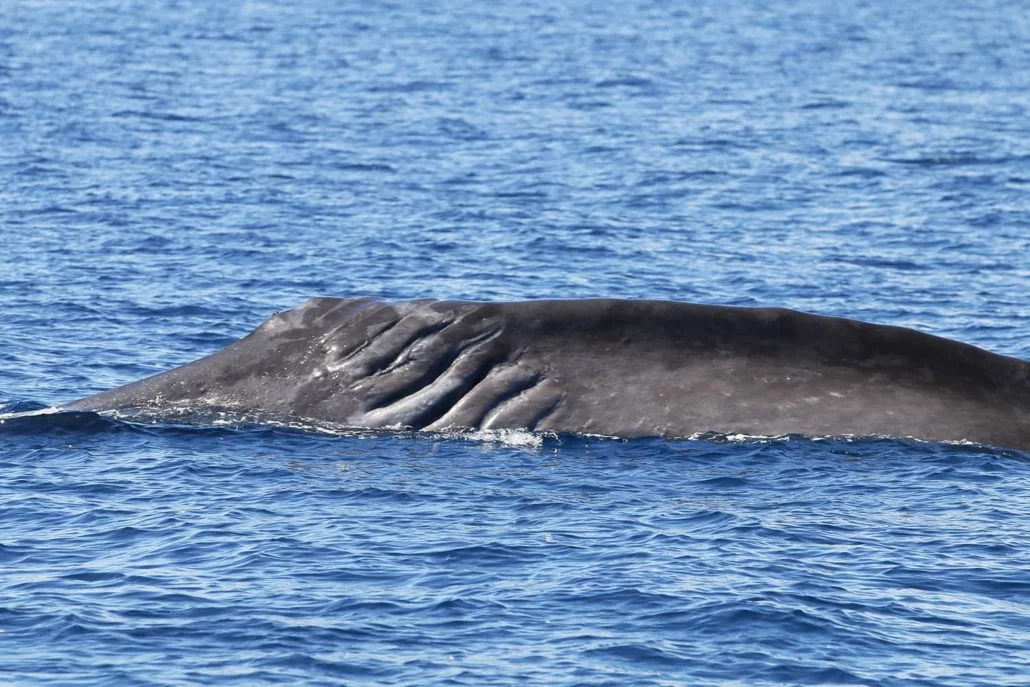
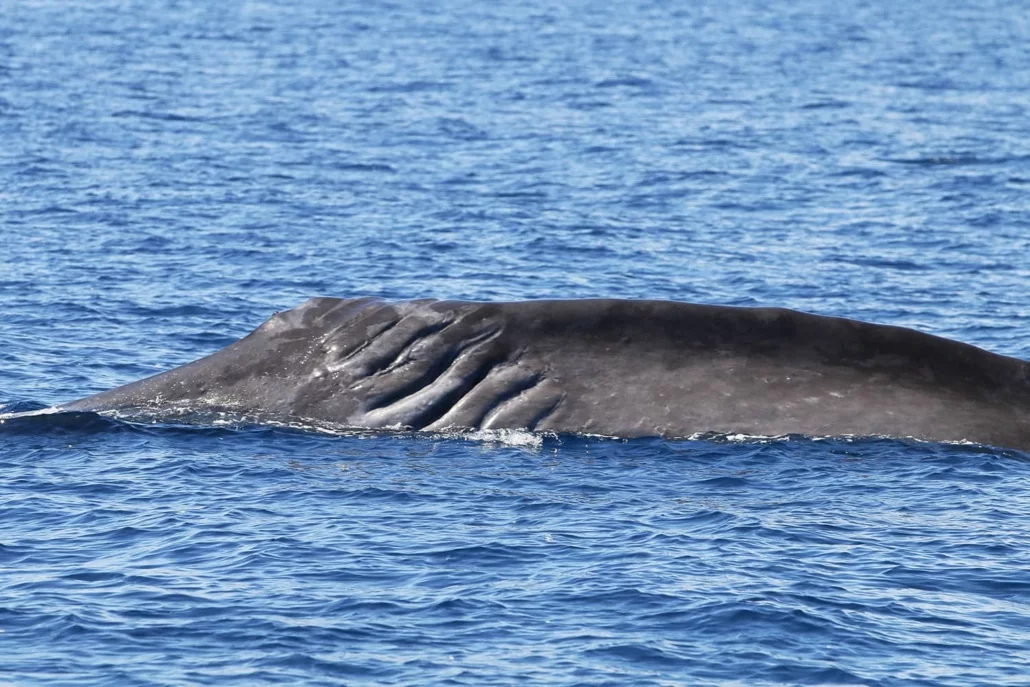
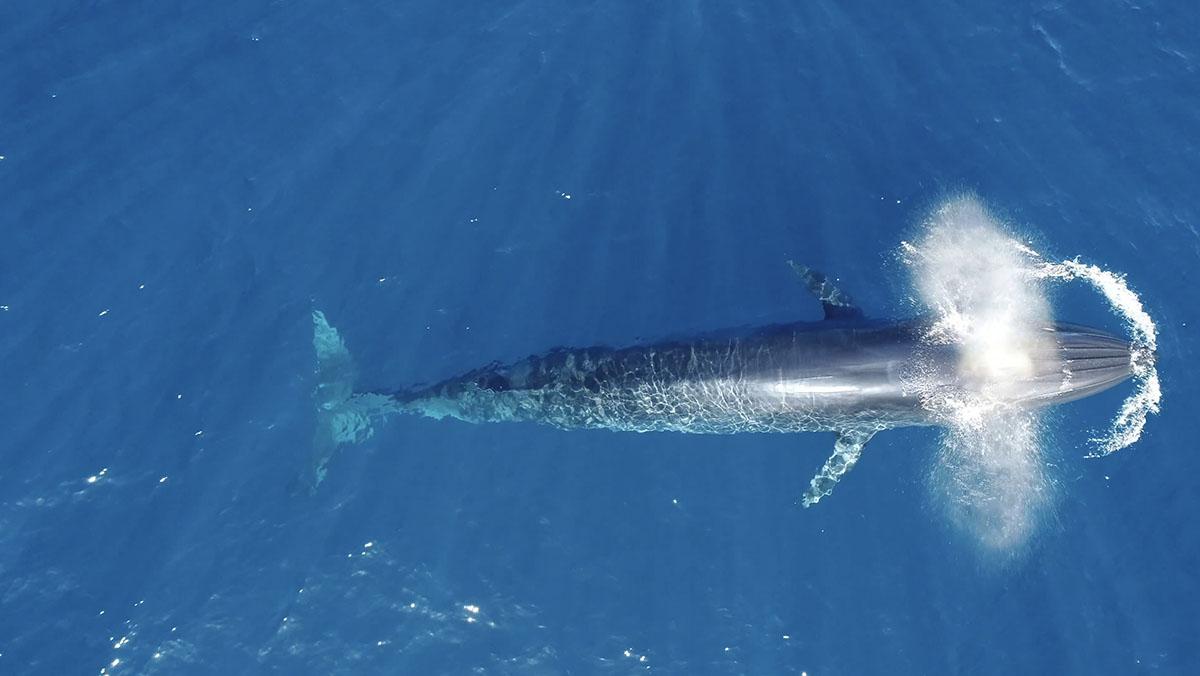
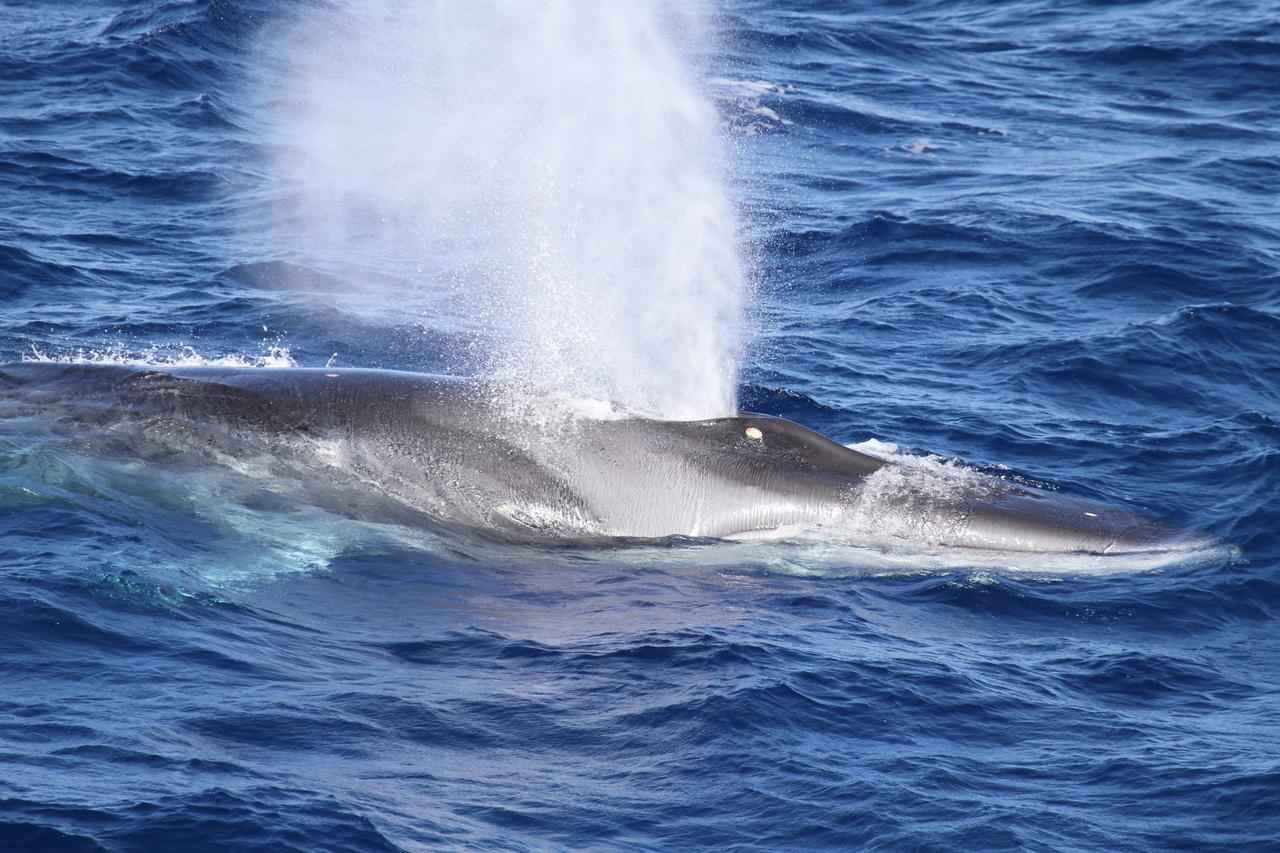
A fin whale in the Mediterranean Sea. First documented in 1998 by the Tethys Research Institute. She has a name, an archive, a family — and scars.
她是地中海里的一头鳍鲸。1998 年,Tethys 研究所第一次把她写进档案。她有名字、有档案、有家人——也有伤疤。
The marks on her body are from propeller blades. She survived. Most don't.
她身上那些伤痕,是船舶螺旋桨留下的。她活了下来。大多数同伴,没能熬过去。
She is one of fewer than 1,700 fin whales remaining in the Mediterranean. Vulnerable. Still here.
她是地中海仅存不足 1,700 头鳍鲸之一。状态:易危。依然活着。
1998 年,Tethys 研究所的研究人员在 Pelagos 保护区的一次例行调查里,第一次记录到她。他们给她起名 Propeller——不是为了纪念,是为了提醒。 In 1998, during routine documentation in the Pelagos Sanctuary, Tethys researchers first encountered her. They named her Propeller — not as a memorial, but as a reminder.
此后许多年
她都再没有出现。
For many years,
she did not appear again.
2010 年,她又一次出现。研究人员一眼就认出了她——背鳍塌陷,像一面倒下的旗帜。可能是当年那次撞击的迟来后果,也可能是又一场新的事故。无从得知。 In 2010, she returned. Researchers recognized her — the dorsal fin collapsed, like a fallen flag. It could have been late damage from the original strike, or another collision entirely. No way to know.
然后,她又消失了。
Then she disappeared again.
2023 年,Golfo Paradiso 观鲸船的船员在利古里亚海又一次认出了她。背鳍依旧塌着,旧伤还在——但这一次,她身边带着一头幼鲸。地中海的鳍鲸本就少有繁殖记录,带着幼鲸现身,在这片海域更是难得一见。 In 2023, the crew of a Golfo Paradiso whale-watching boat recognized her again in the Ligurian Sea. Her fin was still collapsed, the scars still there — and yet, she had calved. Mediterranean fin whales rarely reproduce; sightings with a calf are rarer still.
"给她起名 Propeller,是想让人记住——她是人类活动的受害者。她算幸运,活了下来。但大多数鲸,没有这份运气。"
"We named her Propeller to remind people she is a victim of what humans do. She was lucky — she survived. Most whales are not so lucky."— Maddalena Jahoda · Tethys 研究所 — Maddalena Jahoda · Tethys Research Institute
而且,有些至今仍在发生。 Some are still happening.
每一头鲸都走着一条固定的路——科学家把这些路径叫作"蓝色走廊"。数千年来,它们年复一年沿着同样的路线,横跨大洋,穿越国界。 Each whale follows a fixed path — routes scientists call "Blue Corridors." For thousands of years, they have retraced the same lines, across oceans and across borders.
Named after the propeller scars on her body. Documented since 1998 by Tethys Research Institute. She survived — carrying the evidence of what the sea has become.
她的名字,来自身上那道螺旋桨伤疤。1998 年起,她进入 Tethys 研究所的档案。她活了下来——把这片海洋如今变成了什么模样,留在身上作证。
Pelagos Sanctuary: 0% mandatory protection Pelagos 保护区:强制保护率 0%
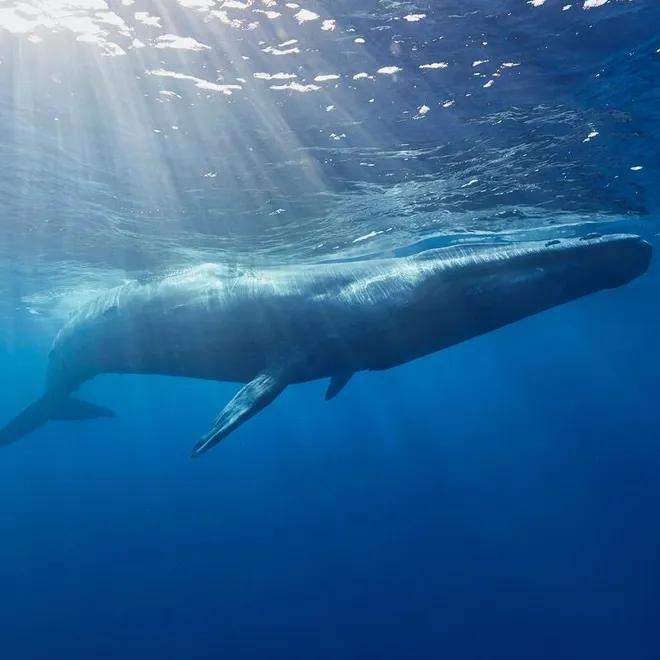
The world's largest animal shares its feeding ground with one of the world's busiest shipping lanes. Shifting the route 15 nautical miles south could reduce collision risk by 95%. It hasn't been done.
世界上最大的动物,与世界上最繁忙的航运走廊之一,共享同一片觅食地。把航线向南挪 15 海里,碰撞风险就能降低 95%。可这件事,至今没有发生。
Collision risk: CRITICAL 碰撞风险等级:极高
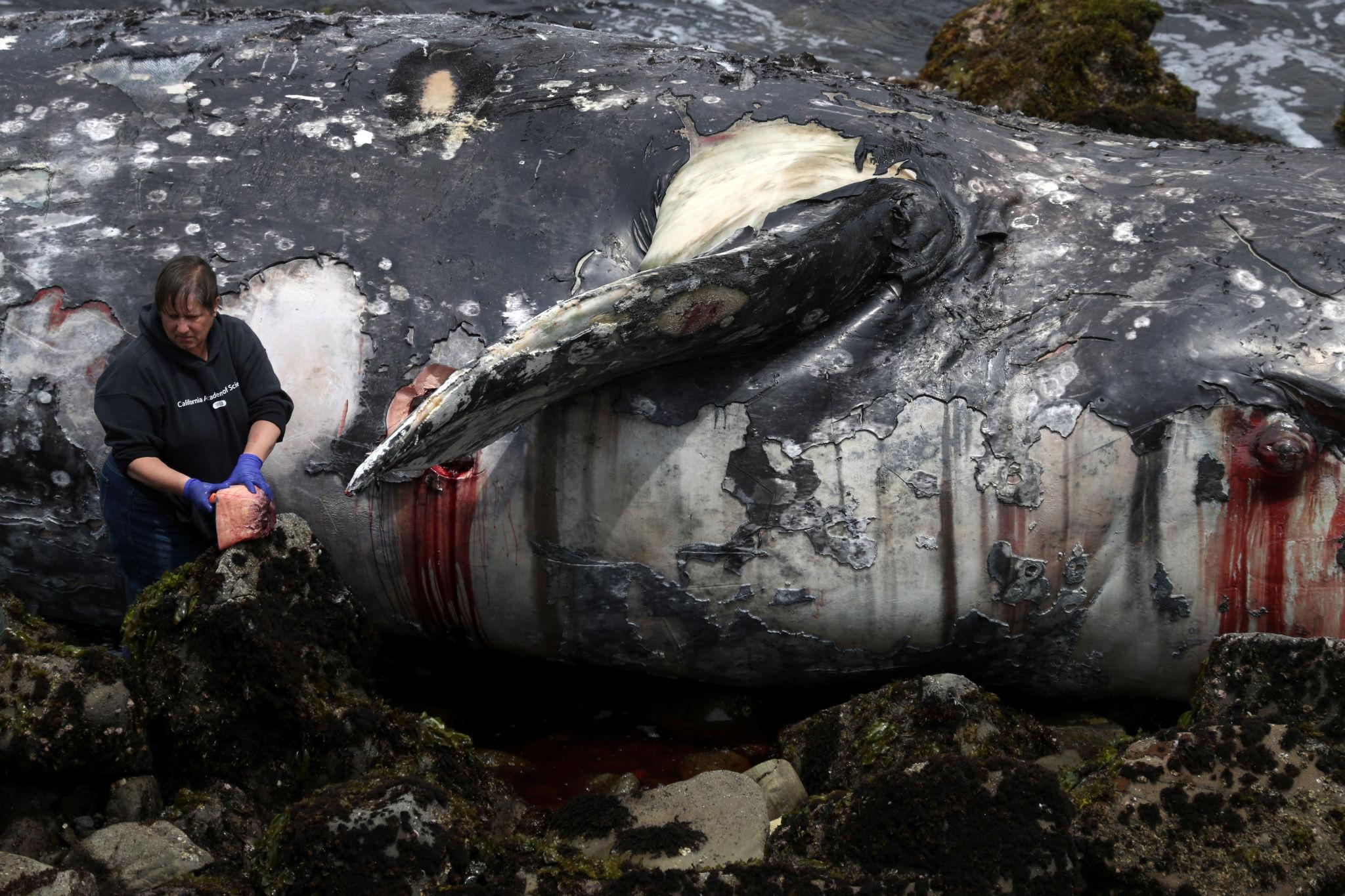
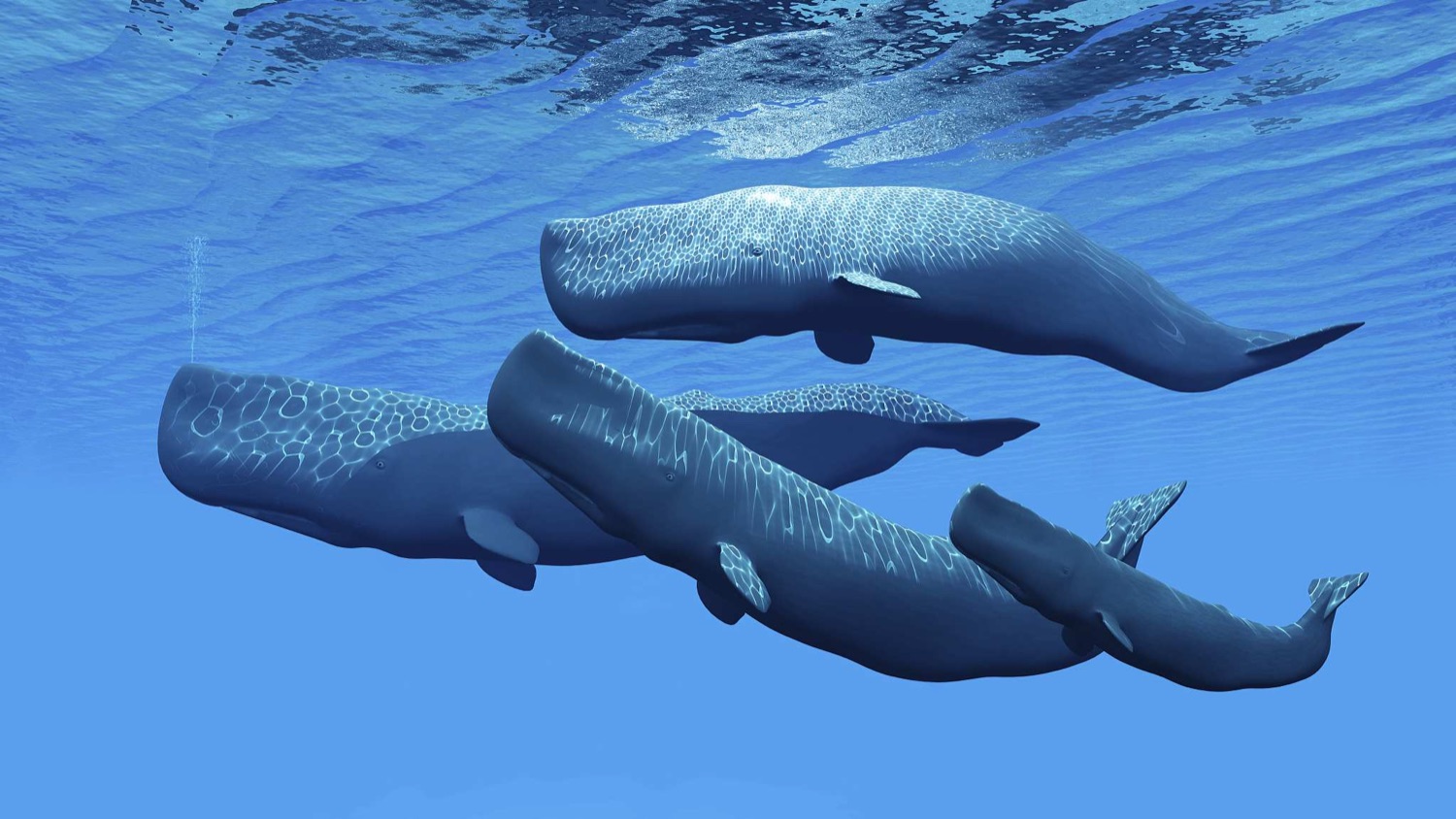
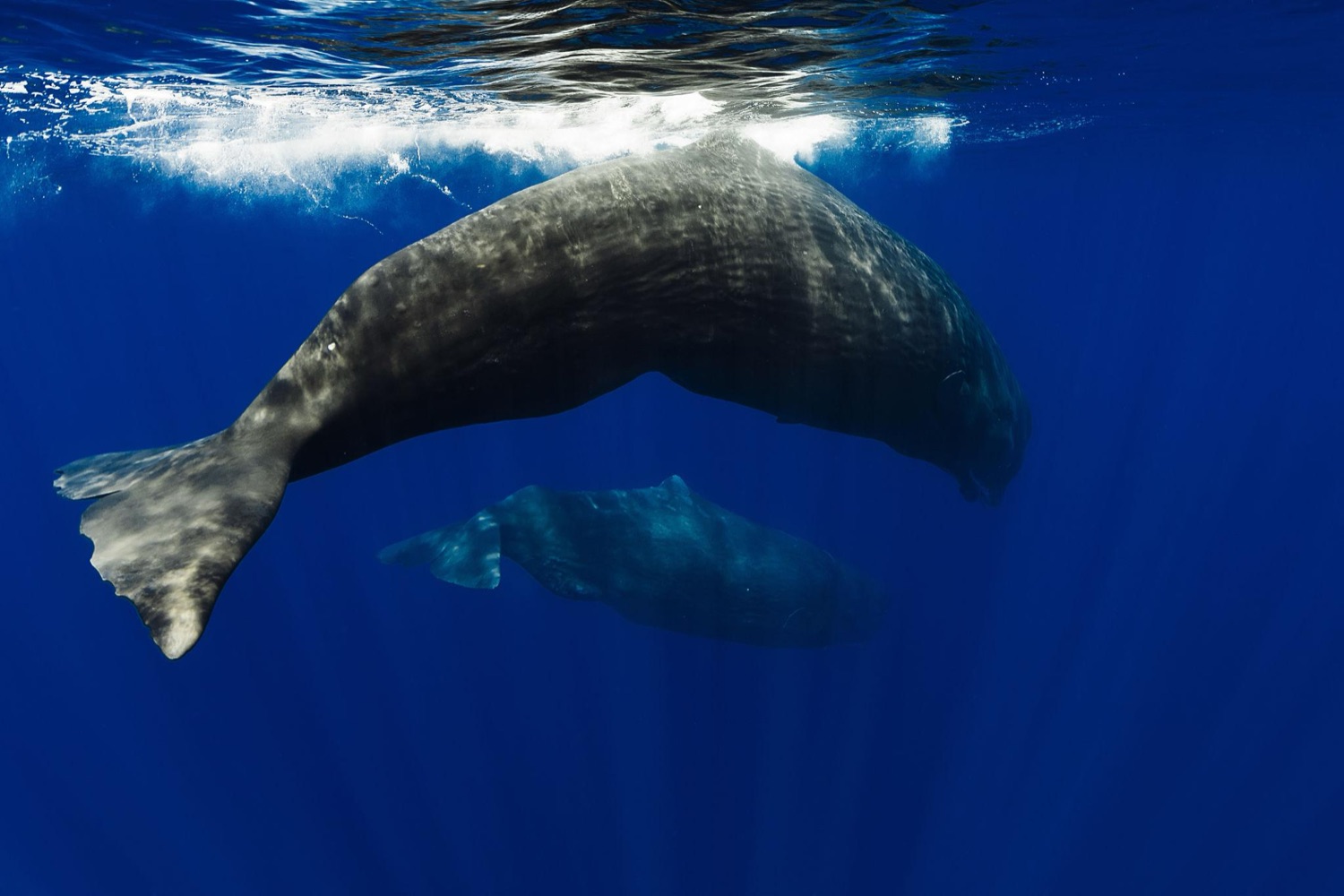
Population has declined 50% since 2000. Of sperm whales found stranded on these shores, 57% show evidence of vessel strikes. The shipping lane passes directly through their habitat.
种群自 2000 年起下降了 50%。在这片海岸搁浅的抹香鲸中,57% 带有船撞痕迹。一条主航线,直接从它们的栖息地中间穿过。
Population decline: 50% since 2000 种群下降:自 2000 年起减少 50%
An isolated population of fewer than 250 sperm whales lives along this deep underwater canyon. Vessel strikes are the single leading cause of death. The IWC recommended a route shift in 2020 — five years on, ships still pass through.
这条深海峡谷里,生活着不到 250 头的一个孤立抹香鲸种群。船撞,是它们最主要的死因。国际捕鲸委员会早在 2020 年就建议改道——五年过去了,船只依旧从原来的航线上驶过。
Leading cause of death: vessel strikes 主要死因:船舶撞击
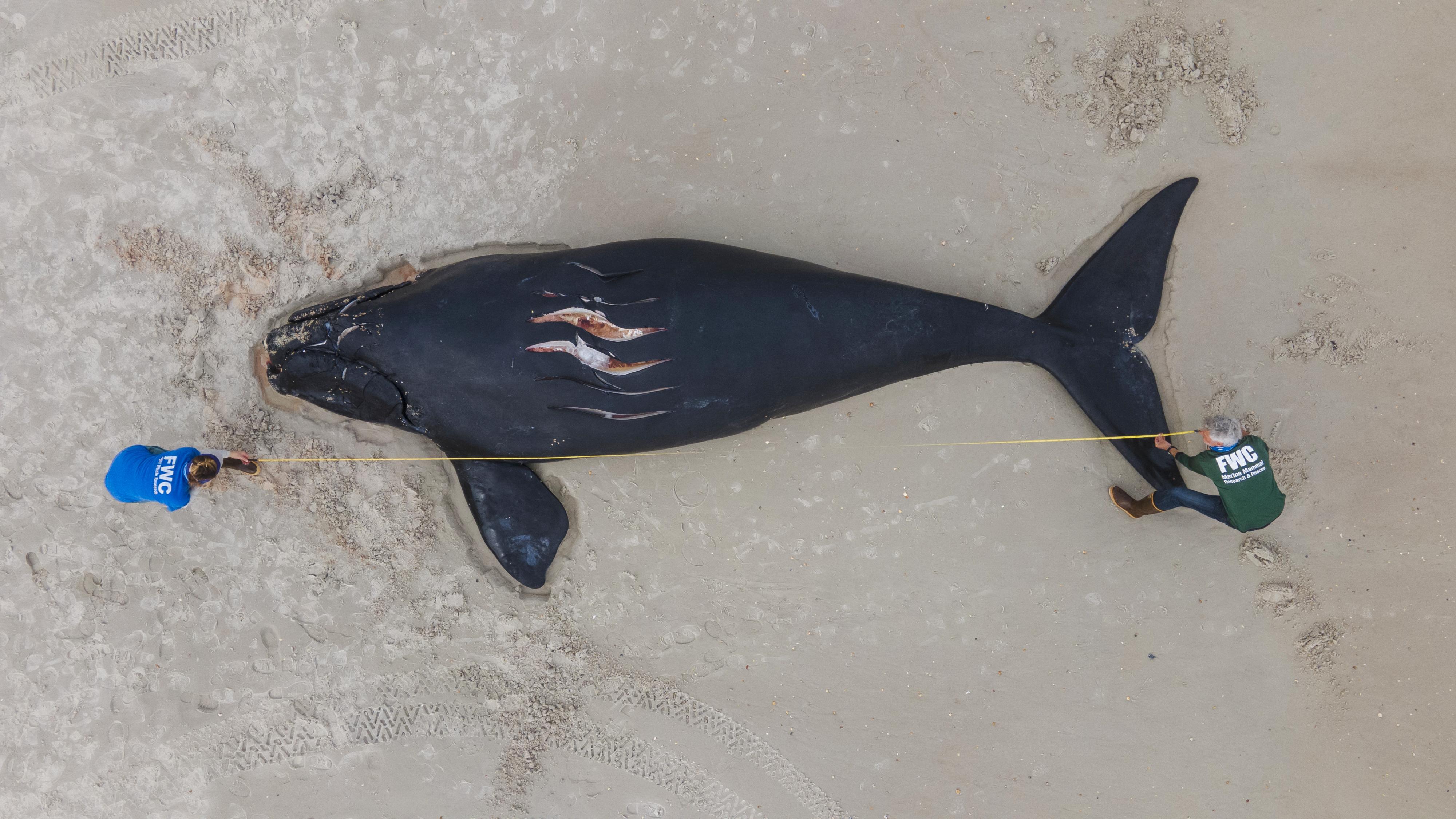
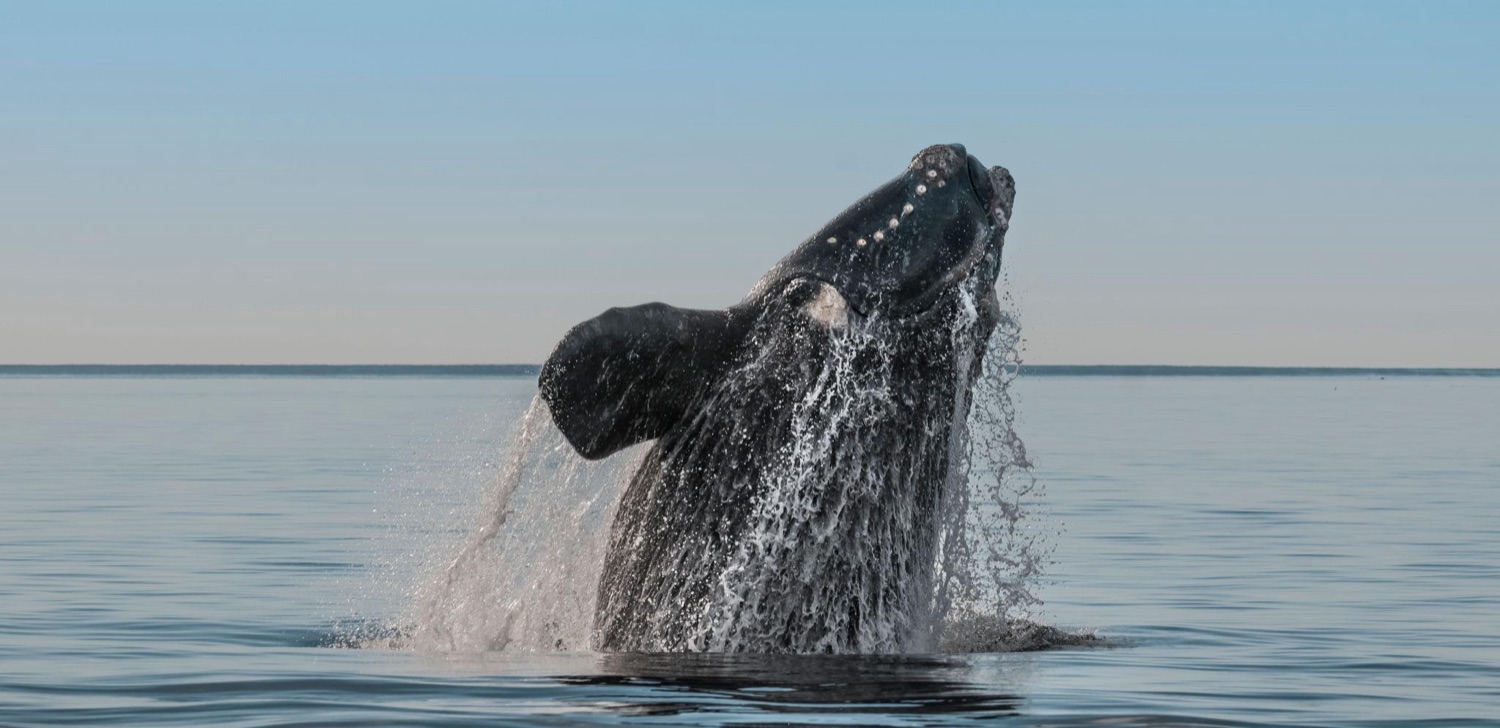
One of the most endangered large whales on Earth. Vessel strikes and fishing-gear entanglements account for nearly every documented death. NOAA's proposed 10-knot rule has been delayed since 2022.
世界上最濒危的大型鲸类之一。几乎每一例有据可查的死亡,背后不是船撞,就是渔具缠绕。NOAA 提出的 10 节限速规则,从 2022 年起就被一再推迟。
Population: < 360 individuals 种群数量:少于 360 头
A resident population of about 135 lives at the threshold of one of the country's busiest ports. A voluntary 10-knot agreement signed in 2013 reduced fatal strike risk by an estimated 90% — when followed.
约 135 头的常住种群,生活在新西兰最繁忙的港口之一的门口。2013 年签署的自愿 10 节限速协议,只要被认真执行,就能把致死碰撞风险降低约 90%。
Voluntary speed limit · 10 knots 自愿限速 · 10 节
Since 2014, vessels passing summer feeding grounds have been asked — not required — to slow to 10 knots. Compliance has plateaued near 50%. Whales continue to die.
自 2014 年起,途经夏季觅食区的船舶被"建议"——而非强制——减速到 10 节。遵守率长期只在 50% 上下徘徊。而鲸,仍在不断死去。
Compliance: ~50% 遵守率:约 50%
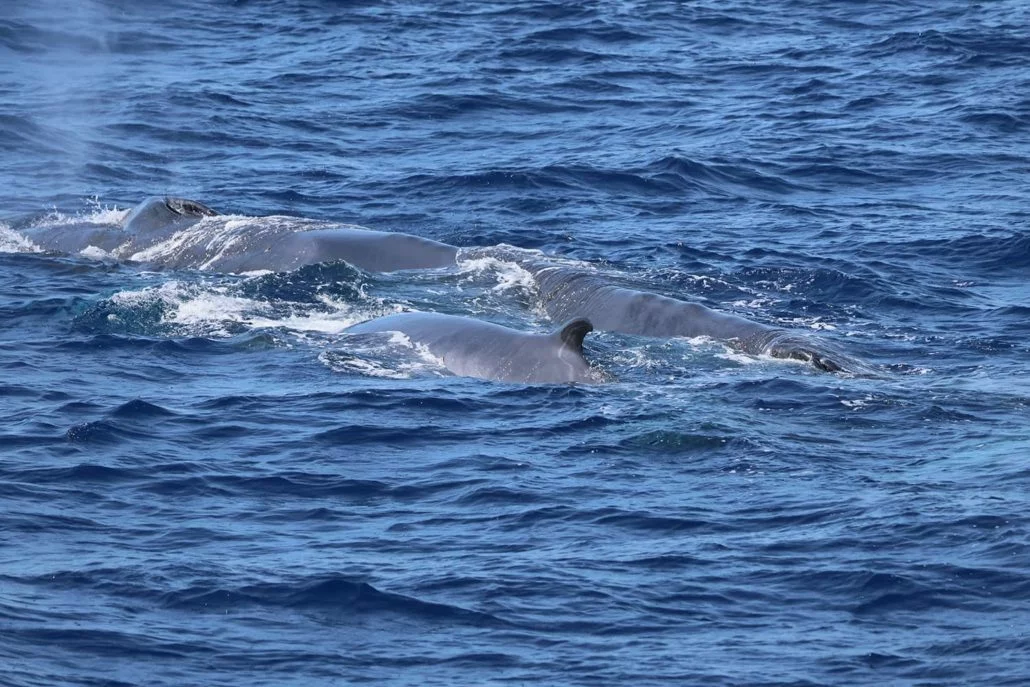
Around 100,000 ship transits a year squeeze through a 14-kilometer-wide channel. Fin, sperm and pilot whales feed and migrate in the same water. The collision math is simple, and brutal.
每年大约有 10 万艘次船舶,挤过这条只有 14 公里宽的水道。鳍鲸、抹香鲸和领航鲸,就在这同一片水域里觅食和迁徙。碰撞的算式,简单而残酷。
100,000+ transits / year 每年通行船次:10 万+
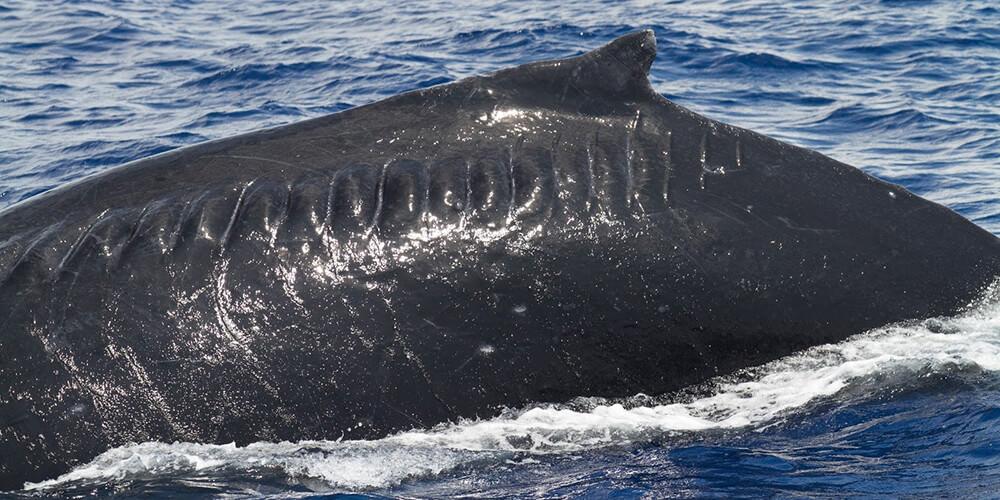
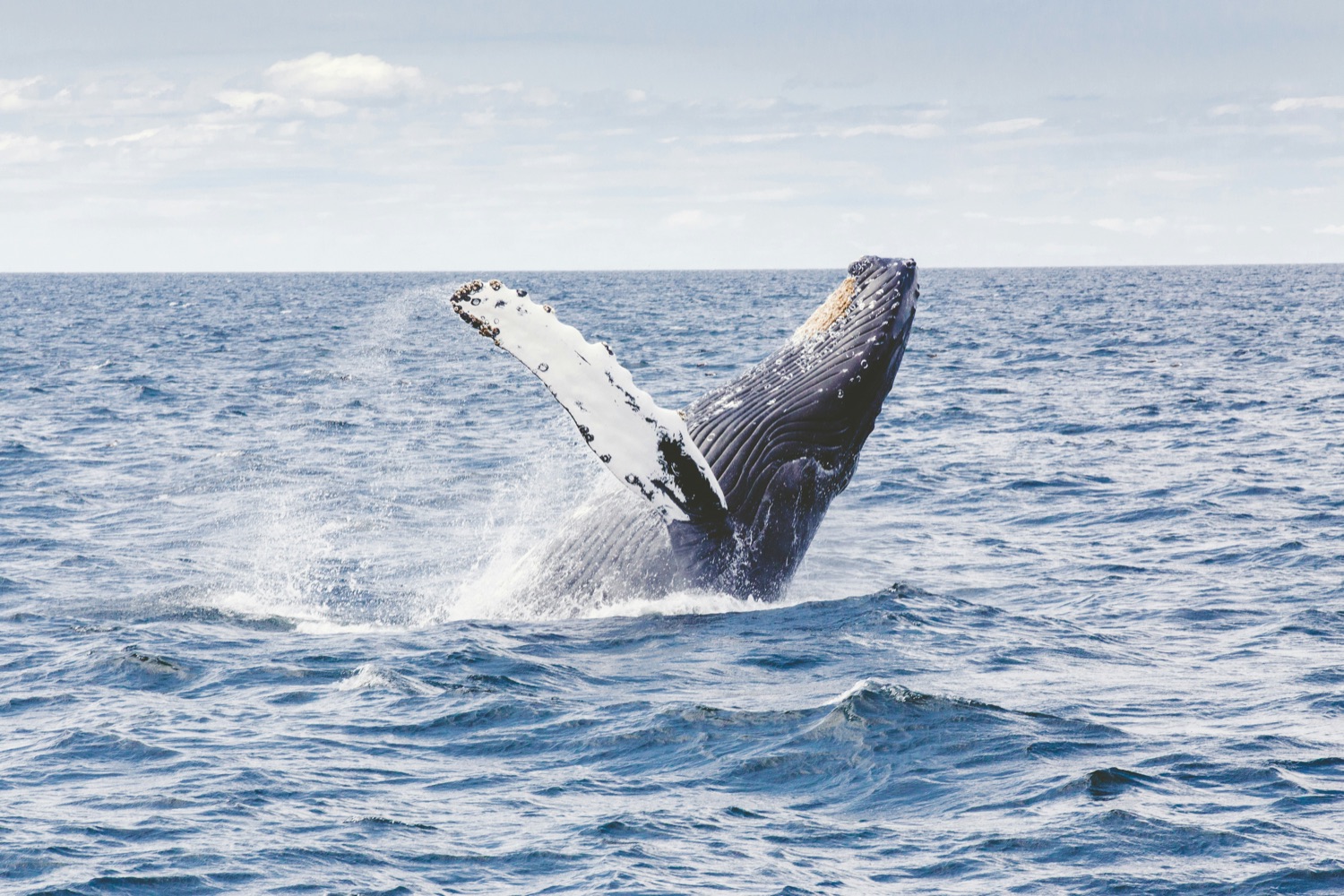
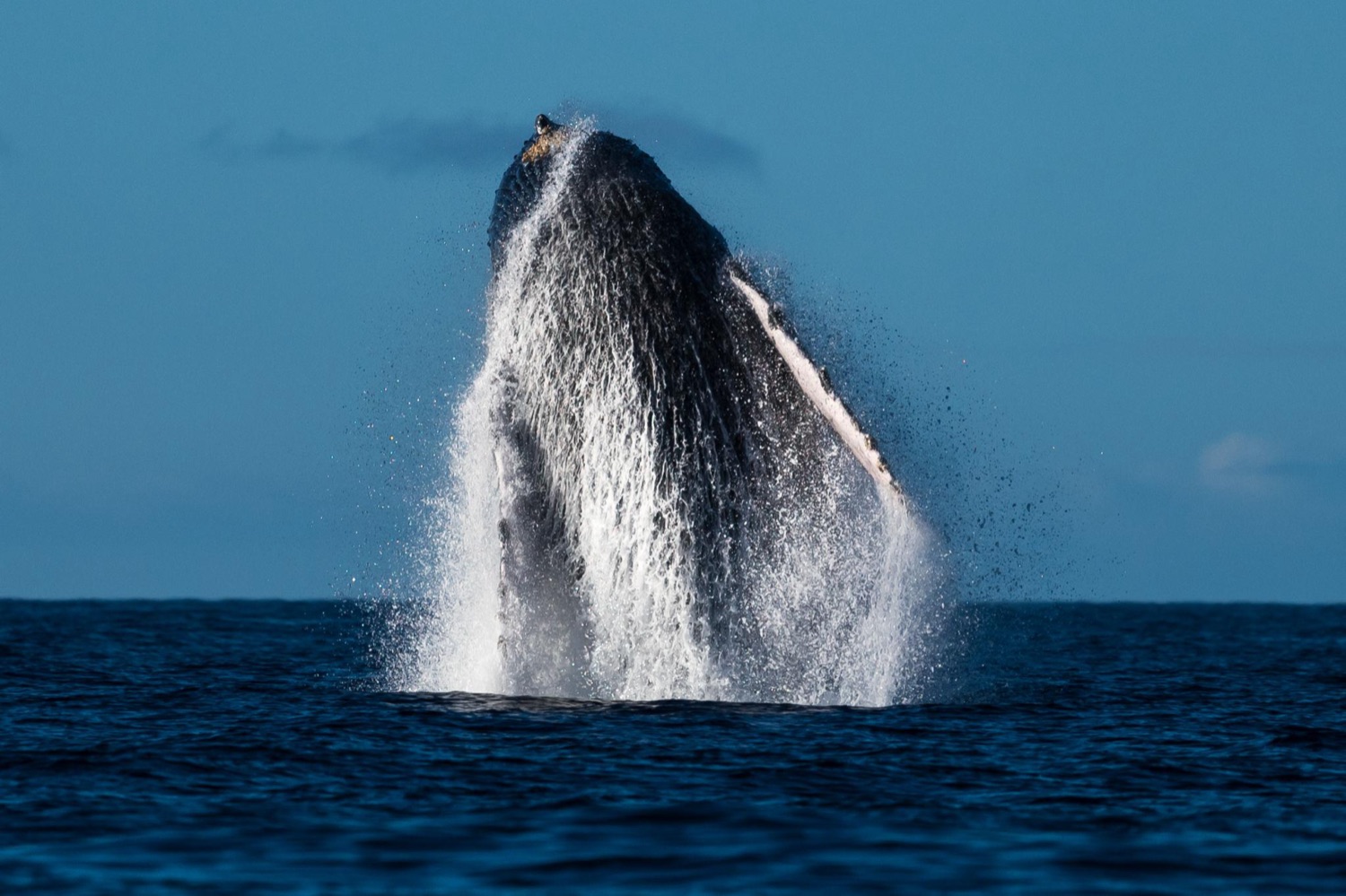
In 2001, a humpback known as Snow was killed by a cruise ship in Glacier Bay. Her death led to the first mandatory vessel speed limits inside a US national park. It took one whale.
2001 年,一头名叫 Snow 的座头鲸,在冰川湾被游轮撞死。她的死亡,促成了美国国家公园内第一个强制性的船舶限速。这一切的代价,是一头鲸的生命。
Speed limit: 13 knots, mandatory 强制限速:13 节The science is clear. The solutions exist. The only thing missing is the will to act.
科学已经讲得很清楚,解决方案也早已存在。
唯一缺的,是行动。
of the ocean is all that needs protection to cover all high-risk collision hotspots globally.
只要保护全球 2.6% 的海洋面积,就能覆盖所有高风险碰撞热点。
Nisi et al., 2024, Science
查看完整报告View Full Report → 79%→20%Reducing ship speed from 15 to 10 knots cuts the probability of a lethal strike from 79% to approximately 20%.
船速从 15 节降到 10 节,致死碰撞的概率就能从 79% 降到约 20%。
IWC / NOAA Fisheries
查看完整报告View Full Report → 95%Shifting Sri Lanka's blue whale shipping lane 15 nautical miles south could reduce collision risk by up to 95%.
斯里兰卡蓝鲸航道若向南移动 15 海里,碰撞风险最多可降低 95%。
WWF / BlueCorridors.org
查看完整报告View Full Report →Every share raises awareness. Every voice adds pressure. The shipping industry can change — but only if we demand it. Join us in calling for mandatory speed reductions and protected corridors for whales.
每一次分享,都在唤醒一份认知;每一个声音,都在多施加一分压力。航运业可以改变——前提是,我们要求它改变。加入我们,一起呼吁强制限速、推动鲸类保护走廊落地。